
ScarWork Therapy
Gentle, restorative therapy for surgical, accident, or trauma scars & burns.
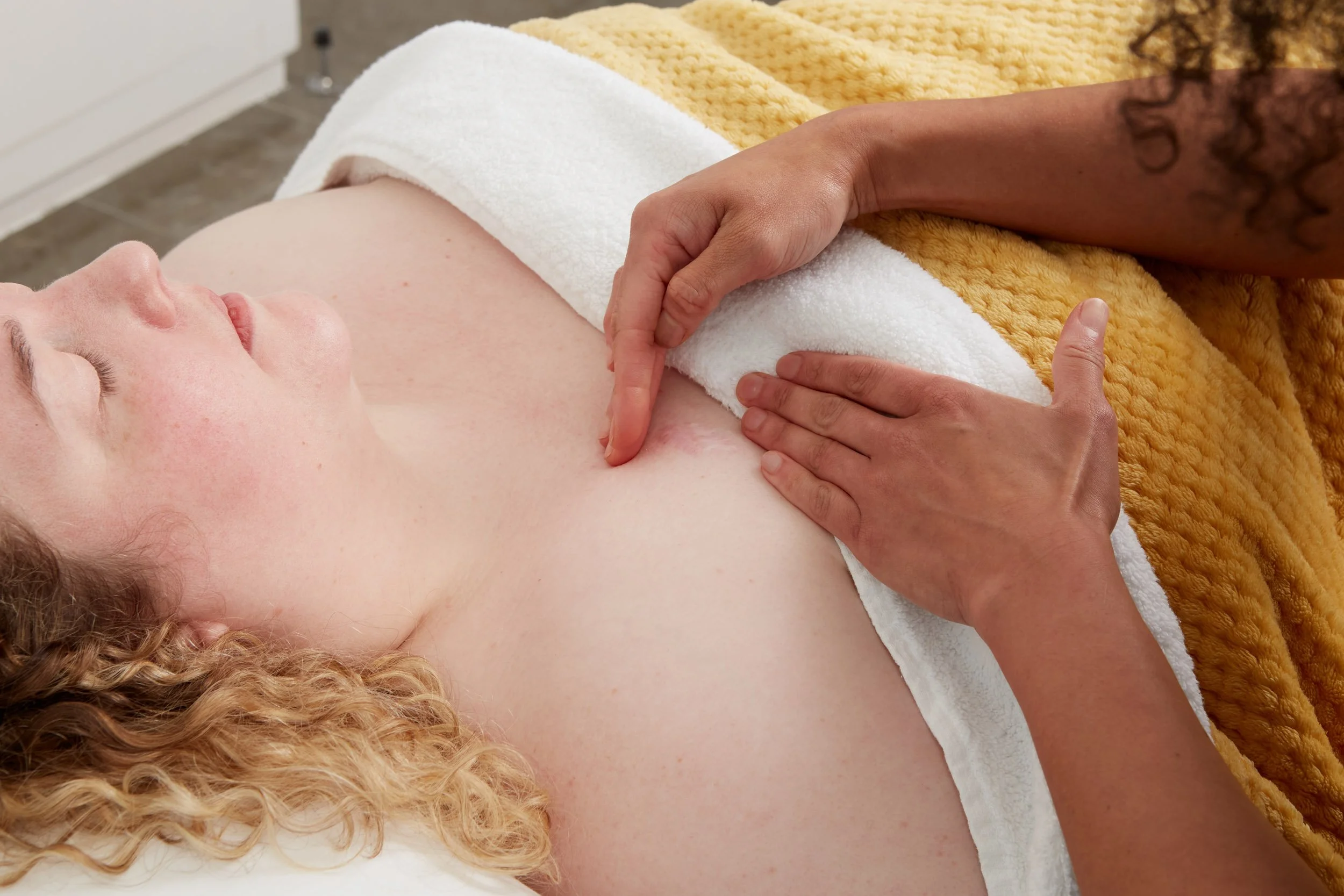
What is ScarWork?
ScarWork is a gentle, pain-free therapy that uses light fascial touch to improve the feel and function of scar tissue. Developed nearly 40 years ago in the USA by Sharon Wheeler, it is now widely practiced in the UK as a complementary therapy alongside conventional medical care.
No oils or creams are used. Instead, a series of subtle techniques encourage scar tissue to soften, integrate, and release adhesions, restoring natural movement and ease.
ScarWork can be helpful for:
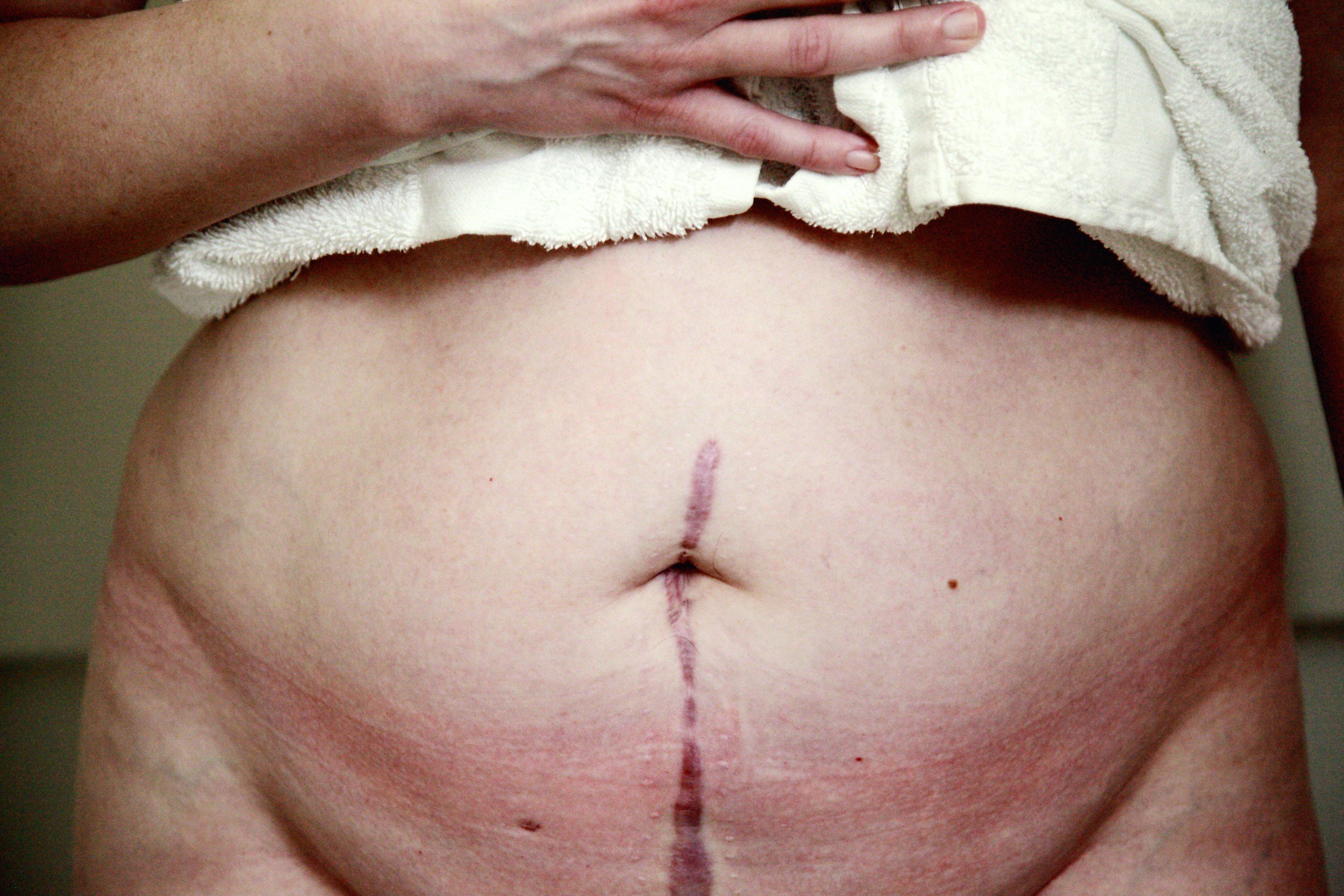
Post-surgical scars (including C-section, mastectomy, abdominal, orthopaedic)
Accident or burn scars
Emotional sensitivity or trauma associated with scars
Restricted mobility, tightness, or pain
It is suitable for both new and old scars.
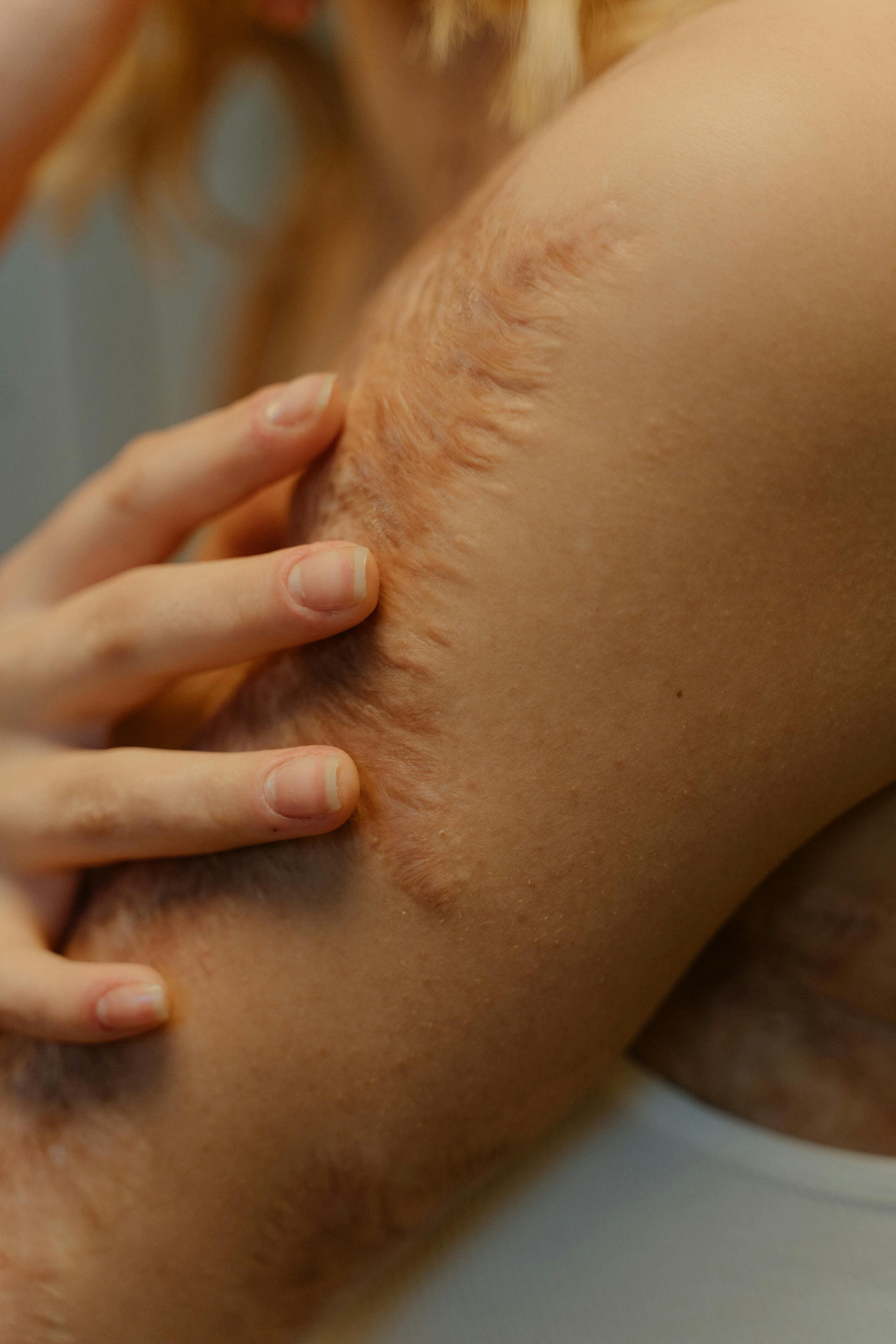
Why Treat Scars?
Scarring is a natural part of healing, but it can sometimes leave behind physical or emotional difficulties:
Discomfort, tightness, or pulling sensations
Pain or nerve sensitivity
Restricted movement and posture changes
Emotional distress or disconnection from the body
ScarWork does not aim to “erase” a scar it helps the scar and surrounding tissues become more comfortable, mobile, and integrated into the body. Many clients also notice improvements in scar appearance, sleep, and overall wellbeing.
-
Before your first appointment, you’ll complete a short medical questionnaire and intake interview.
Everything will be explained clearly, with full consent at each stage.
You may be offered up to five sessions, spaced about three weeks apart for best results.
Modesty is always respected towels are used as needed.
-
Many people report:
Softer, less noticeable scars
Reduced pain, sensitivity, or itching
Improved movement and flexibility
Relief from tightness or pulling
Better sleep and a greater sense of wellbeing
Feeling more at ease and “re-connected” with their body
FAQs
ScarWork Therapy
-
ScarWork is very gentle and usually deeply relaxing. Clients often describe sensations of softening, tingling, warmth, or emotional release as the tissues respond.
Sessions are always guided by your comfort. If you feel uneasy about your scar being touched, therapy can begin around the area and gradually work closer as you feel ready.
-
ScarWork should not be used where surgical mesh is present (commonly used in abdominal or hernia repair). Breast reconstruction may be an exception please check with your surgeon.
ScarWork is not a replacement for medical treatment. Always check with your oncology or surgical team if you are uncertain.
-
Before your first appointment, you’ll complete a short medical questionnaire and intake interview.
Everything will be explained clearly, with full consent at each stage.
You may be offered up to five sessions, spaced about three weeks apart for best results.
Modesty is always respected towels are used as needed.
-
Usually from 6–12 weeks post-op, once the scar has closed and healed. For deeper or internal surgery, 3–4 months may be recommended. Always check with your doctor if unsure.
-
Yes, with medical clearance. ScarWork can be incredibly supportive in oncology recovery, helping reduce restrictions after mastectomy, lymph node removal, or radiation therapy. A trauma-informed, oncology-aware approach is used at all times.
-
One session can help, but most people benefit from a series of 3–6 sessions for lasting change. It takes about 2 years for the scar to fully remodel and mature. The healing process of the scar as well how old it is may impact the number of sessions.
-
No, ScarWork is gentle and non-invasive. There's no force or deep pressure. Clients often describe it as soothing, curious, and deeply relaxing.
-
ScarWork is not cosmetic therapy, but many people notice visual improvements, as well softness, colour, and contour changes as tissue health improves.
-
Yes. Even scars 10+ years old can hold tension, numbness, or adhesions that cause chronic issues. We’ve seen significant changes in posture, pain levels, and emotional wellbeing after treating old scars.
-
Scars often hold emotional memories- especially from emergency surgeries or trauma. It’s normal to experience feelings during treatment. We always hold space for this, and you're in full control at all times. Sessions are held with compassion, sensitivity, and respect.
-
After treatment, most people feel very relaxed. It’s also normal to experience:
Temporary fatigue
Heightened awareness of the scar
Emotional release
These effects are short-lived and part of the body’s healing process. Rest, hydration, and gentle self-care are recommended afterward.
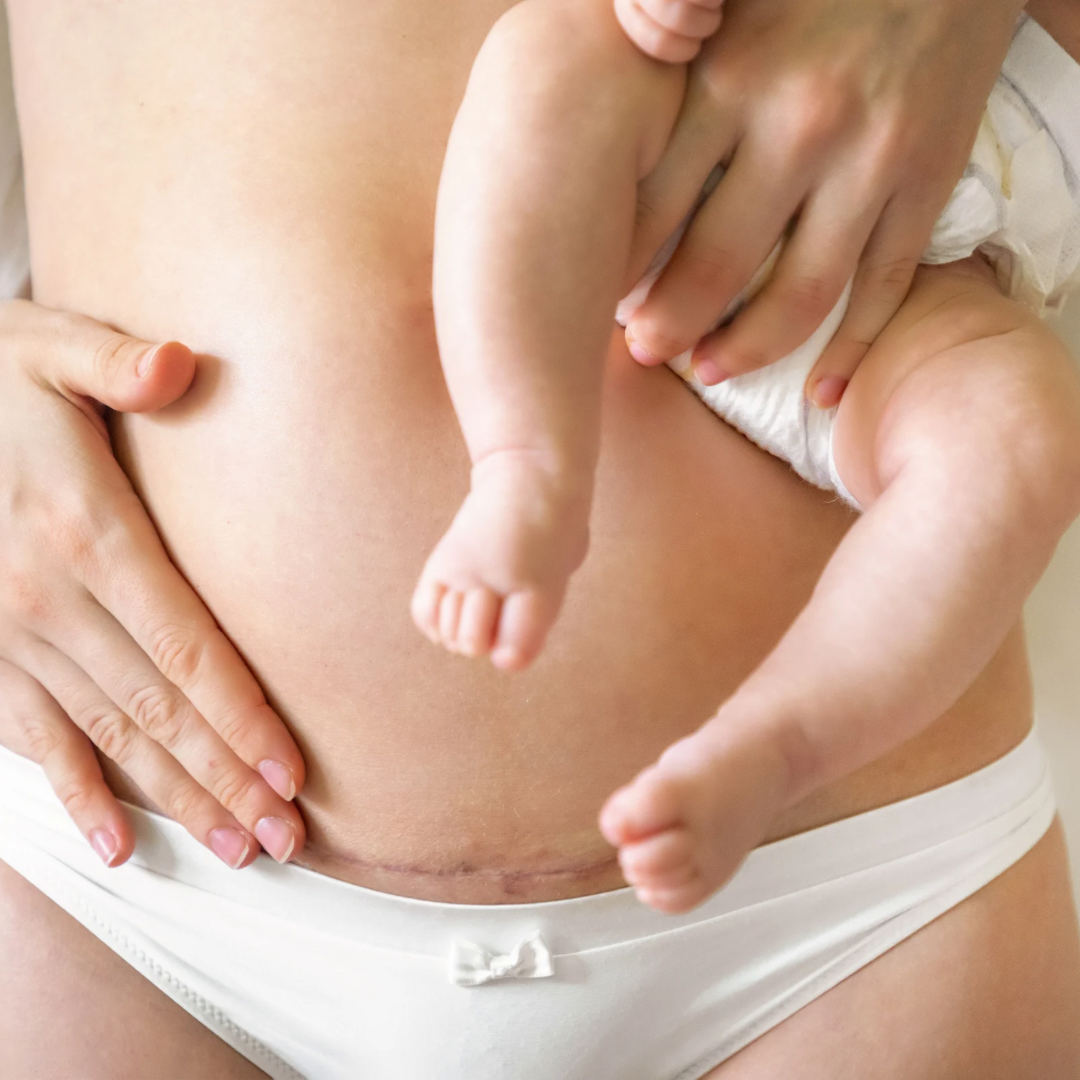
“Violet is fantastic. She has helped me with scar release work around my c section. She is deeply in tune with the body and understands how to respond to you and what your body needs. I always come out of sessions feeling deeply relaxed and happy with the results.”
-Natasha. L