
TMJ and Jaw Therapy
Holistic care for jaw pain, headaches, clenching and whole-body alignment.
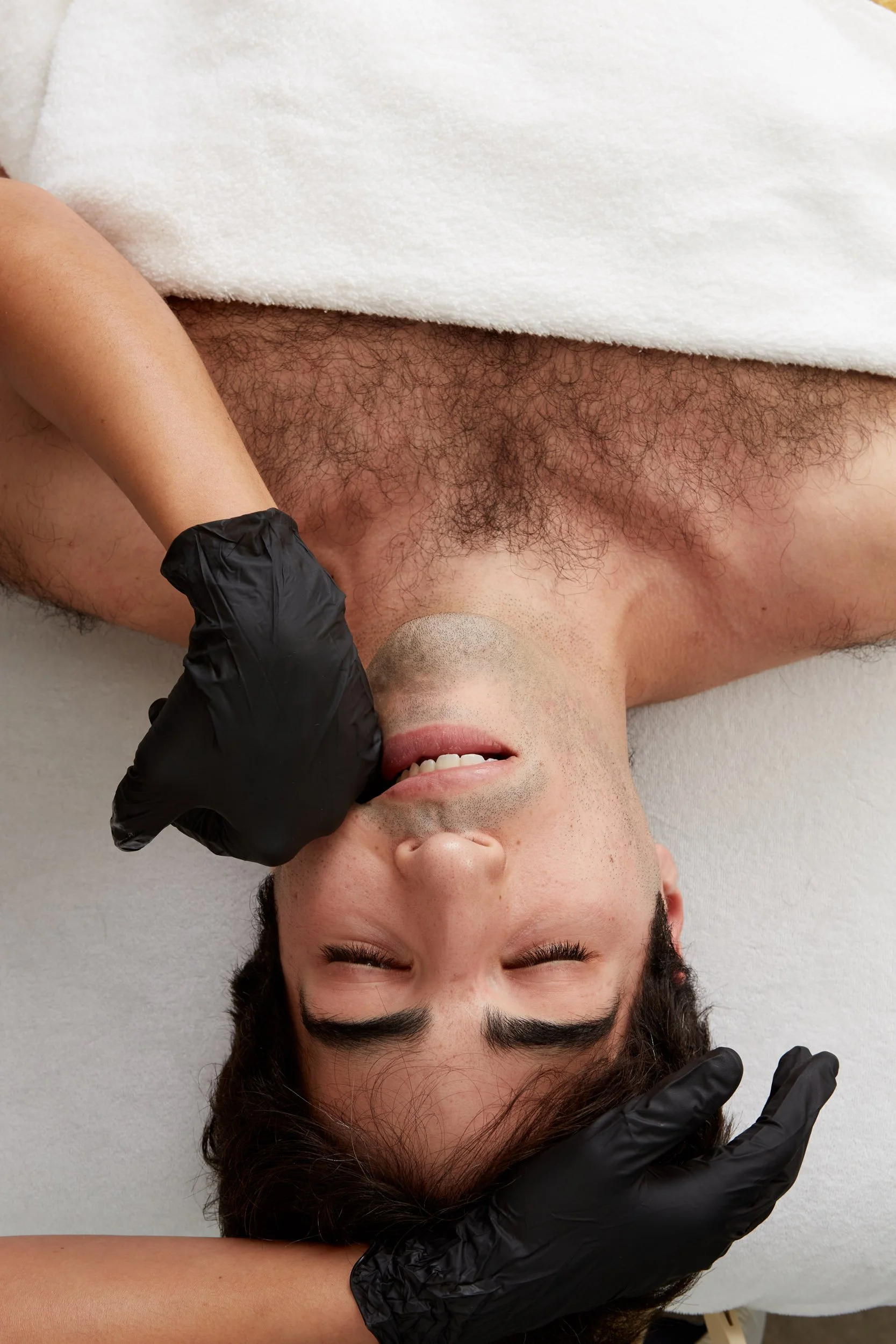
Why the Jaw Matters
The jaw is more than a hinge for speaking and chewing it is deeply connected to the fascia, cranial bones, nervous system, posture, and even emotional wellbeing. Restrictions in the temporomandibular joint (TMJ) and surrounding tissues can create ripple effects throughout the body, contributing to:
Jaw pain, clenching, or grinding (bruxism)
Headaches, migraines, or facial tension
Neck and shoulder stiffness
Ear pain, tinnitus, or dizziness
Stress, anxiety, or difficulty sleeping
Postural imbalances affecting the whole spine
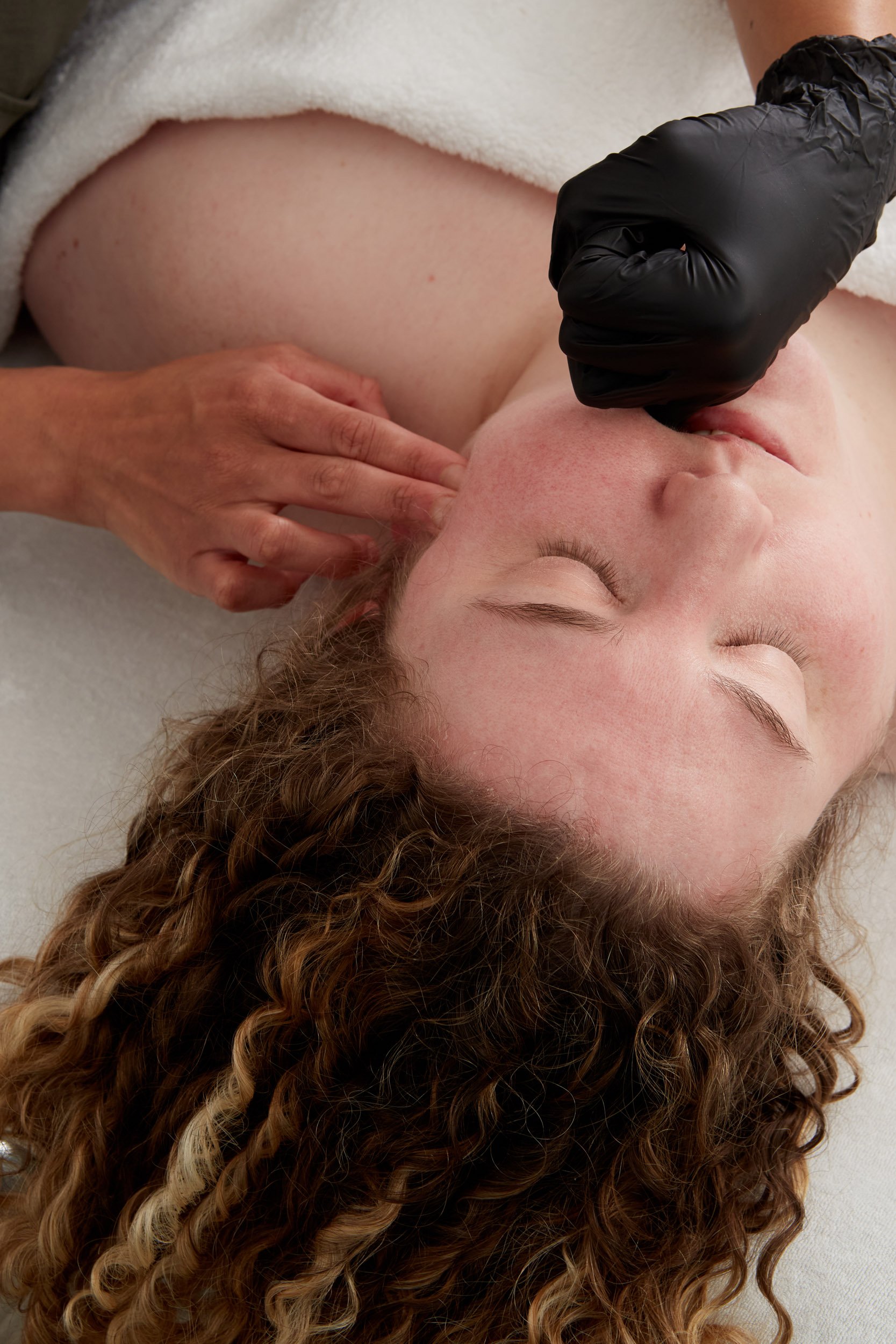
What is TMJ and Jaw Therapy?
Our approach is a holistic integration of fascial and cranial work, designed to restore freedom, ease, and function.
Fascial Release (Til Luchau method):
A precise, indirect method of gently releasing the connective tissue surrounding the jaw, head, and neck. This helps unwind long-held tension patterns without force.Cranial Integration (Sharon Wheeler’s Structural Integration):
Light touch techniques to gently balance the bones and fascia of the face and cranium. Subtle adjustments here often have a profound effect on the jaw and nervous system.Clinical Massage & Jing Pain Science:
We integrate targeted soft tissue work with the latest understanding of pain neuroscience, stress regulation, and the mind-body connection. This means your treatment is as much about calming the nervous system as it is about relaxing the muscles.
-
Assessment & Listening
We’ll discuss your symptoms, history, and how jaw pain affects your daily life. Posture, breathing, and movement patterns are also considered.Gentle Hands-On Work
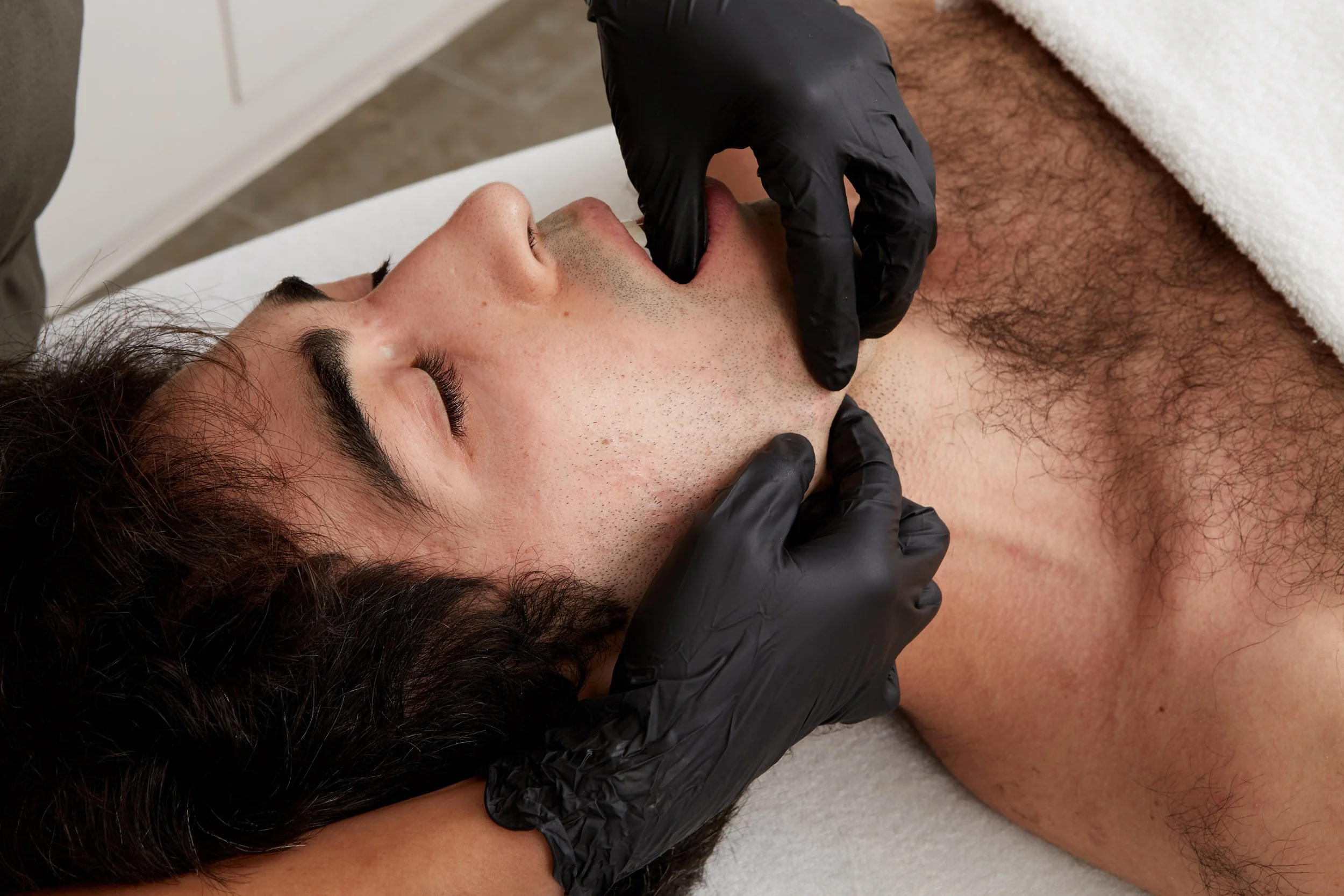
Treatment may include external and intra-oral techniques (always with consent) to release fascia, balance cranial structures, and relax the nervous system.Integration
Work is often extended into the neck, shoulders, and chest, where compensations are common. Sessions are deeply relaxing and respectful never forceful.Aftercare & Support
You may receive self-care suggestions such as breathwork, posture awareness, or simple fascial stretches to extend the benefits of your session.
-
Relief from jaw pain, clenching, or grinding
Reduced headaches and facial tension
Improved posture and breathing
A calmer nervous system and better sleep
Increased ease in speaking, chewing, and expression
Greater awareness of body patterns and stress triggers
-
This work is suitable for anyone experiencing:
TMJ disorder or jaw pain
Stress or anxiety leading to jaw clenching
Post-dental or orthodontic tension
Headaches, migraines, or neck pain linked to the jaw
Postural strain that involves jaw tension
Emotional holding patterns expressed through the face and jaw
FAQs
TMJ & Jaw Therapy
-
TMJ stands for temporomandibular joint the hinge connecting your jaw to your skull. Dysfunction can include pain, clicking, locking, clenching, grinding (bruxism), or difficulty opening/closing the mouth. It often has wider effects, including headaches, neck pain, ear issues, tinnitus or stress-related tension.
-
Unlike general massage, TMJ & Jaw Therapy integrates:
Myofascial Release: Gentle fascial techniques that unwind deep restrictions.
Cranial Integration: Subtle balancing of the cranial bones and fascia.
Jing Method: Targeted soft tissue release informed by pain science and nervous system regulation.
This is a specialised therapy designed to address not just the muscles, but also the fascia, posture, and nervous system patterns underlying jaw issues.
-
Possibly, but only with your consent.
Intra-oral techniques involve gentle, gloved touch inside the mouth to release the fascia around the jaw muscles.
This can be highly effective for clenching, grinding, and chronic TMJ restriction.
It is always optional many people benefit greatly from external techniques alone.
-
No. This work is gentle, precise, and respectful.
Myofascial and cranial techniques use sustained, mindful pressure—never force.
Some clients feel mild tenderness as restricted tissues release, but sessions are generally calming and relaxing.
We work with your nervous system, not against it.
-
It depends on your situation:
Acute tension: Sometimes 1–2 sessions bring significant relief.
Chronic TMJ dysfunction or clenching: 3–6 sessions are recommended for longer-term change.
Maintenance care: Occasional sessions may help manage stress-related clenching or prevent relapse.
We’ll discuss your goals and co-create a plan.
-
Clients often seek TMJ & Jaw Therapy for:
TMJ disorder or jaw pain
Bruxism (teeth grinding/clenching)
Tension headaches and migraines
Neck and shoulder pain linked to jaw strain
Ear pain, tinnitus, or dizziness
Postural imbalances affecting the jaw
Stress and trauma-related jaw tension
Post-dental or orthodontic tension
-
Many clients report:
Relief from jaw pain, clenching, or grinding
Fewer headaches or migraines
Greater ease in opening/closing the mouth
Improved posture and breathing
A calmer nervous system and reduced stress
Everyone is unique results vary depending on your history, stress patterns, and health.
-
Yes. Sessions are safe, gentle, and adapted to your needs.
Suitable for most people, including those with chronic pain, stress, trauma histories, or autoimmune conditions.
If you have recent surgery, acute infection, fractures, or other specific medical conditions, we’ll discuss timing and adaptations.
-
Not usually. Many clients self-refer for jaw pain or clenching. If your dentist or GP has recommended jaw therapy, we can collaborate as part of your wider care.
-
Drink plenty of water to support tissue release.
Allow yourself some quiet time afterwards if possible.
You may be given simple self-care tools, such as breathwork, posture awareness, or fascial stretches, to help sustain your progress.
-
Gentle stretching or mobility exercises recommended by your therapist
Hydration and rest to support recovery
Mindful movement in daily activities to maintain results
Optional follow-up check-ins to track progress
-
Subjective feedback (pain scores, comfort levels, daily function)
Objective observation of posture and mobility
Adjustments to treatment plan based on results
Optional documentation with patient consent for tracking changes
-
Yes. Clinical massage integrates principles from:
Myofascial release and fascial stretching
Neuromuscular therapy and trigger point therapy
Outcome-focused frameworks such as Jing Method
These approaches are widely supported in peer-reviewed research for chronic pain, postural dysfunction, and functional recovery.
-
Absolutely. Clinical massage is often integrated with ScarWork, lymphatic therapy, or fascia-focused treatments for a holistic recovery plan. Your therapist will coordinate sessions to optimise results.
-
Chronic pain is often tied to emotional and stress responses. Feeling emotional release during or after treatment is normal. Your therapist provides a safe, supportive environment for these responses.
-
Single sessions: Useful for immediate relief or assessment.
3, 6 or 12 session programmes: Recommended for lasting change, progressive pain relief, and improved mobility.
Tip: Most clients achieve more sustainable results with a structured programme rather than one-off sessions.
-
Complete a short intake form.
Attend your first session and receive your personalised treatment roadmap.
Begin your structured recovery programme with ongoing support.
-
Some health insurance providers may cover clinical massage. Please check with your provider directly.

My Story: From Patient to Practitioner
I first came to TMJ work not as a therapist but as a patient. During the pandemic, a broken crown altered my bite and left me with severe jaw pain, headaches, and tension I couldn’t seem to escape. In searching for relief, I began training in TMJ massage therapy learning techniques along with my BTEC level 6 studies in clinical massage and fascia-based approaches.
I practiced them on myself first, and to my surprise, I found real relief. My jaw softened, my headaches reduced, and I felt more like myself again. From there, I began treating others who were struggling with jaw-related issues, and over time developed a holistic, fascia-informed approach that blends clinical precision with lived experience.
This dual perspective as both therapist and former patient means I understand the frustration, the trial-and-error, and the hope that comes with seeking relief.